
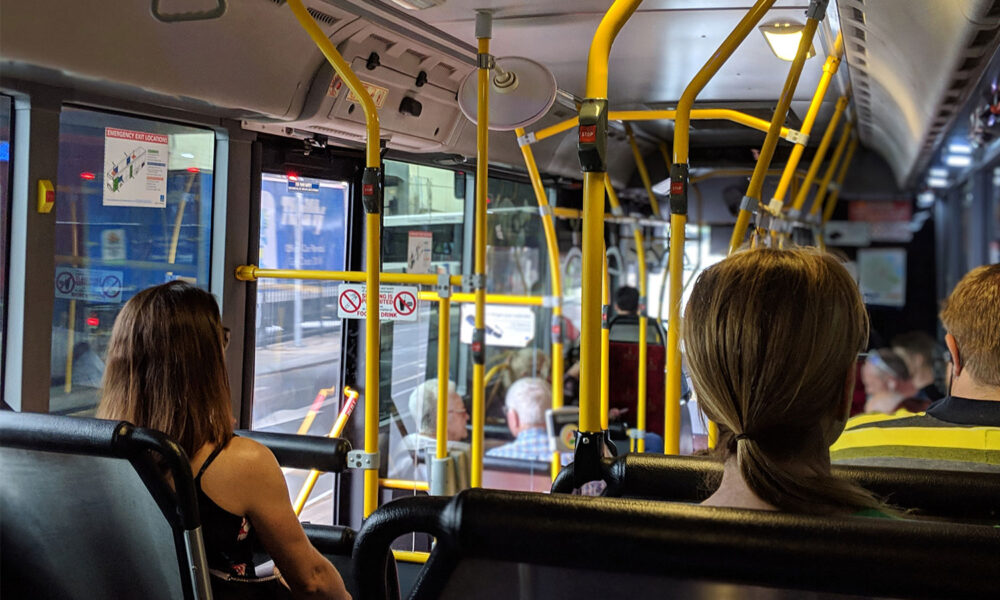

Public transport in South Carolina is more than just a way to travel; it’s a shared lifeline that connects people across cities and communities. Every bus ride or train trip depends on a strong system of laws designed to protect passengers and drivers. These safety regulations work quietly in the background, ensuring every journey is smooth, legal, and secure. From driver training to vehicle inspections, South Carolina’s transport safety laws form the backbone of a safer public travel experience.
Understanding Public Transport Safety Laws
Public transport safety laws are the rules and standards that guide how buses, trains, and public vehicles operate. In South Carolina, these laws are managed by state and local agencies such as the South Carolina Department of Transportation (SCDOT) and the Department of Motor Vehicles (SCDMV).
These laws help:
- Keep passengers safe during daily commutes
- Ensure vehicles are properly maintained
- Regulate driver qualifications
- Control routes and schedules to reduce risks on the road
Driver Responsibilities and Licensing
Bus and shuttle drivers in South Carolina must follow strict rules. They are required to hold a Commercial Driver’s License (CDL) with a passenger endorsement. This ensures that only trained and trusted drivers operate public vehicles.
Drivers also go through:
- Background checks for criminal or traffic records
- Regular medical exams to ensure fitness
- Mandatory training in emergency response and first aid

Vehicle Maintenance and Inspection Rules
Public transport vehicles must meet certain maintenance standards. The SCDOT and local transit agencies perform regular inspections to check brakes, lights, tires, and other safety systems. Any bus or van that fails to meet these standards is pulled off the road until it passes inspection.
Public transit companies must also:
- Keep detailed maintenance logs
- Report safety issues immediately
- Replace worn-out parts to avoid sudden breakdowns
Passenger Rights and Safety Practices
In South Carolina, passenger safety is taken seriously. Laws protect passengers from unsafe conditions and ensure fair treatment. Every bus or public vehicle must display safety signs explaining emergency exits, seatbelt use, and evacuation steps.
Passengers have the right to:
- Ride in clean, safe, and well-maintained vehicles
- Expect courteous and alert drivers
- Report unsafe practices without fear of penalty
Special Focus on School and Disabled Transport
School buses and vehicles transporting people with disabilities follow even tighter safety laws. For example:
- School bus drivers must follow strict pick-up and drop-off rules.
- Vehicles for disabled passengers need proper lifts, ramps, and secure seating.
These extra measures ensure that young and vulnerable riders travel safely every day across South Carolina.
The Real Goal: Safety for All
The main goal of these laws is not just to prevent accidents but to build public trust. Whether it’s a city bus in Charleston or a shuttle in Columbia, these rules form the invisible framework keeping rides dependable and safe.
Takeaway
Public transport safety in South Carolina depends on clear laws, responsible drivers, and well-maintained vehicles. These rules protect everyone who steps aboard a bus, train, or shuttle. By following strict inspections and training standards, the state ensures safe and reliable travel for all.
Behind every peaceful and timely ride is a network of safety laws quietly working to keep South Carolina’s passengers protected every day.
